
Flower Guides
Practical, honest answers about buying, sending, and caring for flowers, written to be useful, not to sell you anything. When you're ready to order, every guide points you to a real local florist.
Flower Care & How-To
Make every arrangement last longer and look better.
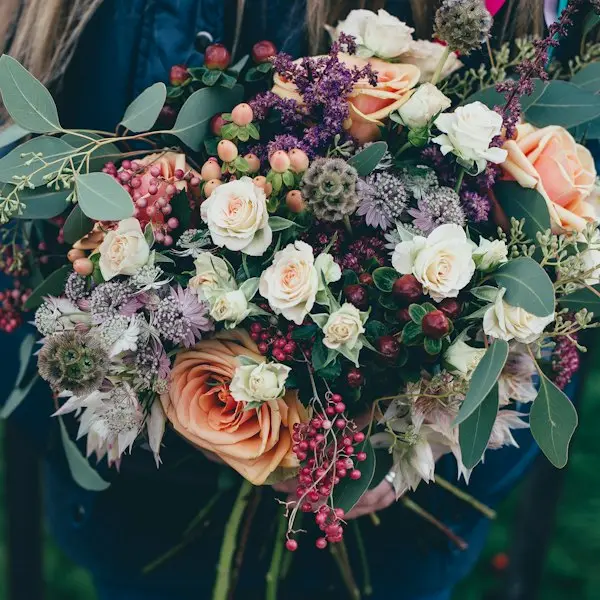
How to Care for Cut Roses (and Fix a Drooping Head)
Getting two weeks from a dozen roses: conditioning, guard petals, the bent-neck fix, and why florist roses outlast supermarket ones.
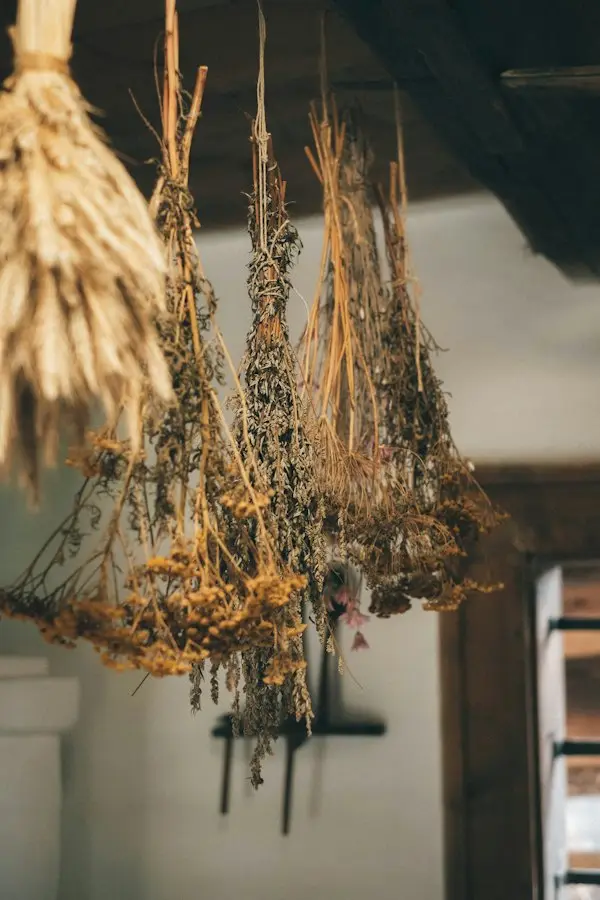
How to Dry and Press Flowers (and Preserve a Wedding Bouquet)
Air-drying, silica gel, pressing, and professional preservation, which method fits which flowers, and how to save a bouquet that matters.
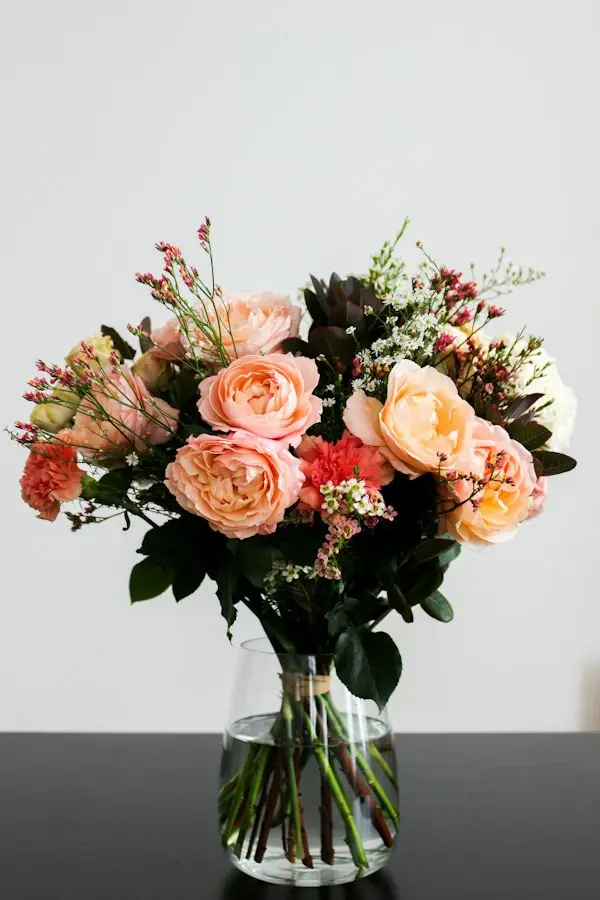
How to Make Cut Flowers Last Longer: What Works and What's Myth
The evidence-backed routine that doubles a bouquet's vase life, trimming, water, food, placement, and the popular tricks that don't work.
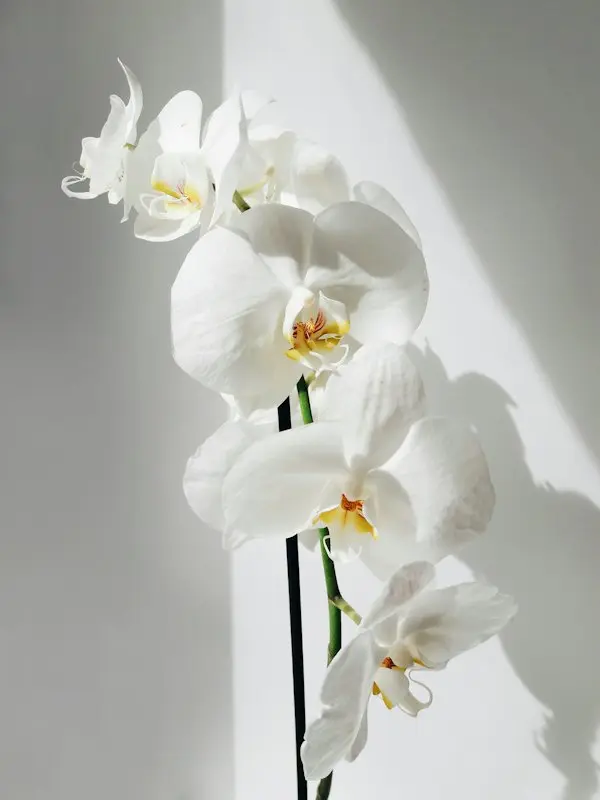
Orchid Care for Normal People
How to keep a gift orchid alive and reblooming, watering by ice cube vs. soak, light, and what to do when the flowers drop.
Flower Meanings & Traditions
What flowers mean, month by month and year by year.
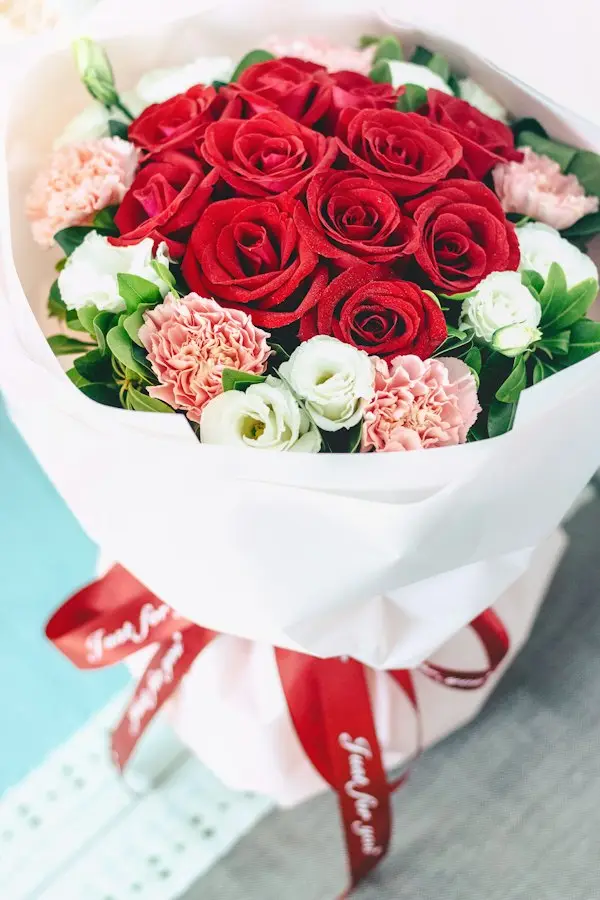
Anniversary Flowers by Year: 1st Through 50th
The traditional flower for each wedding anniversary year, carnations at one, daisies at five, roses at fifteen, violets at fifty, and how to use the list well.
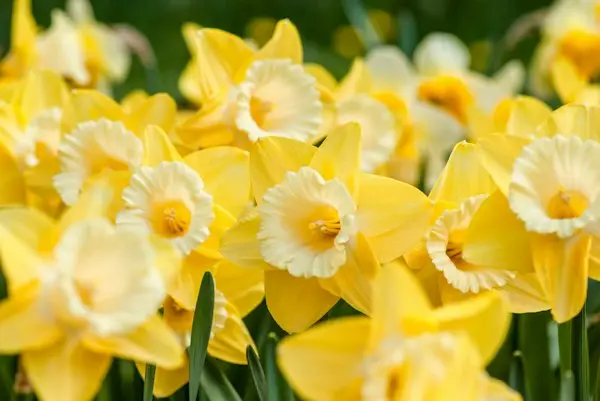
Birth Flowers by Month: The Complete List
Every month's birth flowers and what they mean, January's carnation through December's narcissus, plus how to build a birthday bouquet around them.
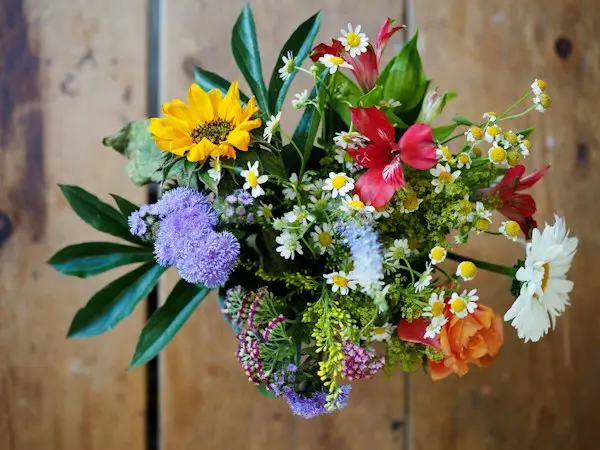
Flower Meanings & Symbolism: What Each Flower Says
What roses, lilies, tulips, and 20 other flowers traditionally mean, plus color meanings, so your bouquet says what you intend.

Pet-Safe Flowers: What's Safe (and Deadly) for Cats and Dogs
Lilies can kill a cat. Roses are harmless. The complete safe/toxic flower list for cats and dogs, and how to order a pet-safe bouquet.

What Flowers Are in Season? A Month-by-Month Guide
Which flowers are in season each month in the US, why seasonal bouquets cost less and last longer, and what to ask your florist.
Buying Flowers Wisely
What delivery really costs and how to make sure your money reaches a real florist.
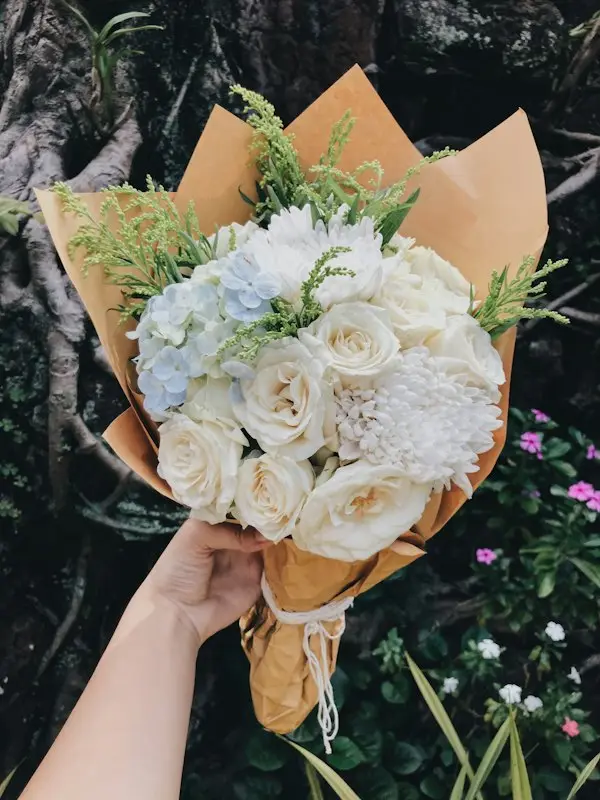
How Much Does Flower Delivery Really Cost?
Honest price ranges for bouquets, arrangements, funeral pieces, and delivery fees, what drives the price, and where the hidden fees hide.
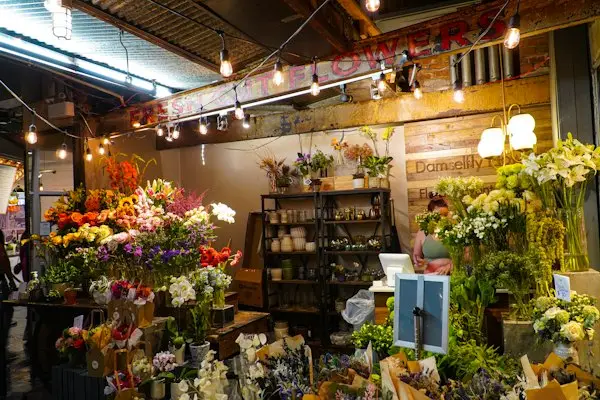
Local Florist vs. Online Flower Delivery: What Actually Happens to Your Order
Where your money goes when you order from a national flower site vs. calling a local florist, the order-gatherer cut, the box-shipper tradeoff, and how to tell who's really local.
Sympathy & Funeral Flowers
What to send, what to write, and what's appropriate, for the moments when it matters most.
Alternatives to Funeral Flowers (That Families Actually Appreciate)
When the obituary says "in lieu of flowers", or flowers just aren't right, here are the alternatives grieving families say helped most.
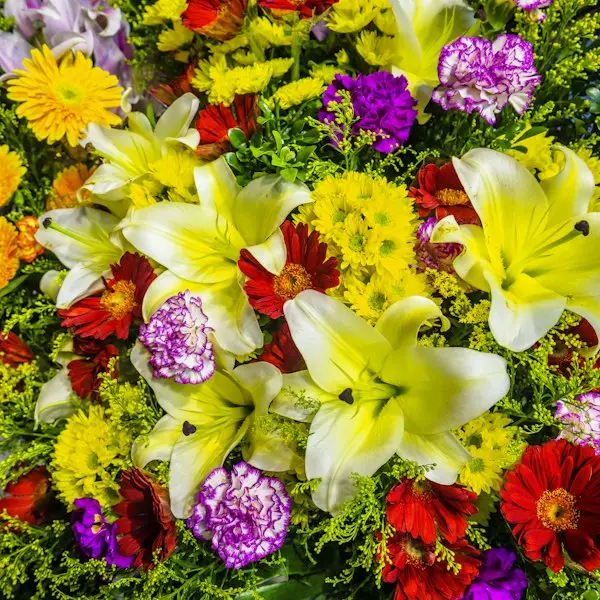
Funeral Flower Arrangements by Relationship
Which funeral arrangement is appropriate for a spouse, parent, grandparent, friend, or coworker, casket sprays, standing sprays, wreaths, and baskets explained.
Funeral Flower Etiquette: What to Send, When, and Where
Who sends what to a funeral, when to send it, where it should go, and the mistakes to avoid, a plain-English etiquette guide.

Religious Funeral Flower Traditions: What's Appropriate by Faith
Whether to send flowers to a Catholic, Protestant, Jewish, Muslim, Hindu, or Buddhist funeral, and what to send instead where flowers aren't customary.
Sympathy Flowers vs. Funeral Flowers: The Difference
Funeral flowers go to the service; sympathy flowers go to the people. What each one is, when to send which, and what they cost.

What to Write on a Sympathy Card: 60 Messages That Actually Help
Real sympathy card messages by relationship, short, sincere wording for a friend, coworker, family member, or acquaintance, plus what never to write.
Wedding Flowers
Plan, budget, and book your wedding florist with confidence.
20 Questions to Ask a Wedding Florist (Before You Sign)
The questions that reveal whether a wedding florist is right for you, about budget, substitutions, day-of logistics, and the contract, with why each matters.
How Far in Advance to Book a Wedding Florist
The realistic booking timeline for wedding florists, 8 to 12 months for most weddings, longer for peak dates, and a month-by-month planning schedule.
Wedding Bouquet Ideas by Season
What your wedding bouquet can look like in spring, summer, fall, and winter, the hero flowers of each season, palettes that work, and budget notes.
What the library covers
The guide library is the part of RateAFlorist that has nothing to do with ratings. It exists because the questions people bring to a flower shop are mostly not about which shop to pick. They are about whether it is proper to send flowers to a Jewish funeral, how many months ahead a wedding florist needs to be booked, why the roses that looked fine on Tuesday are bent double on Thursday, and whether the lilies on the hall table are going to hurt the cat. Those questions have real answers, and a busy florist does not always have time to give them on the phone in the week before Mother's Day. So we wrote them down.
The library sits in five groups: sympathy and funeral flowers, flower meanings and traditions, flower care, wedding flowers, and buying flowers wisely. The cards above this text are the full list. Each guide is a single long page that tries to answer its question completely, so that a reader arrives, reads and leaves knowing what to do, rather than clicking through six short pages that each hold a paragraph and an advertisement.
How the guides were written
Every guide was written to be practical first. The test applied to each draft was whether a person standing at a florist's counter, or about to dial one, would be better off for having read it. Paragraphs that failed that test were cut, and so were the introductions that explain why flowers are nice. Where florists disagree about a practice, the guide says so and gives the common view. Where a custom differs by region or by faith, the guide keeps the difference instead of averaging it into something nobody actually does.
None of the guides is selling anything. There is no flower shop paying to be mentioned, no wholesaler sponsoring a care tip and no arrangement pictured with a price tag under it. Where a guide gives a price, it is a general range, because an arrangement costs different money in different towns and in different months, and a firm number would be wrong somewhere. The guides also stay out of the reviews. A guide will tell you what to ask a wedding florist, and a shop's review page will tell you how that particular florist treated customers who asked, and we keep those two jobs separate on purpose.
Using the guides with the directory
The guides and the directory are meant to be used in that order. Read the guide that fits your situation, decide what you want, then search the recipient's town, read a few reviews and call the shop. A reader who has looked at funeral flowers by relationship before calling knows whether to ask for a standing spray or a basket, and that changes the conversation from "what do you have" to "I need a casket spray for Friday, what would you suggest at around this budget." Florists notice the difference, and the order goes better for it.
Each guide links back to the search box, and the state pages such as Florida and New York list every town with shops, so a guide is never a dead end. If you are the one receiving flowers rather than sending them, the care guides work the other way round: read the one for what arrived, and if the flowers fail anyway, the shop that made the arrangement is the right place to ask, and its review page is where to say how the shop handled it.
Sympathy, funeral and the meaning of flowers
The sympathy and funeral group is the one people reach in a hurry, and it is written to be skimmed. Funeral flower etiquette covers what to send, where to send it and when, including what "in lieu of flowers" does and does not mean. Sympathy versus funeral flowers explains why the arrangement for the service and the arrangement for the house are different purchases. Religious funeral flower traditions walks through what is welcome and what is not across the major faiths, and alternatives to funeral flowers is for the cases where flowers are the wrong gift.
The meanings and traditions group is the reference shelf. Flower meanings is the long list, useful when someone wants the card and the bouquet to say the same thing. Birth flowers by month and anniversary flowers by year answer two questions that come up in every gift-giving season. Pet-safe flowers belongs here too, because a lily that means purity to one reader means an emergency vet visit to another.
Care, weddings and buying wisely
The care group is for the day after the flowers arrive. Making cut flowers last longer is the general method, rose care handles the flower that fails most often and most visibly, and orchid care is the plan for the gift orchid that everyone expects to kill. Drying and pressing flowers is there for the wedding bouquet someone wants to keep.
The wedding group follows the order in which a couple actually meets these questions. When to book a wedding florist comes first, then the questions to ask at the first consultation, then wedding bouquets by season, which explains why a March date and an October date do not get the same flowers at the same price. Read them, then use the reviews to find shops in the venue's town whose customers mention weddings.
The buying group is where the site's opinions live. Local florist versus online explains how order-gathering websites work and how to tell one from a shop before you dial. What flower delivery costs breaks a bill into stems, labor, container and driver, so a quoted price makes sense. Seasonal flowers by month is the calendar: what is plentiful, what is scarce and what the week before Valentine's Day does to the price of a rose.
What the guides will not do
They will not take your order. No guide on RateAFlorist ends in a shopping cart, a send-now button or a form that quietly routes to a call center, because the site does not sell flowers and is not a party to any order you place. They carry no affiliate links: when a guide mentions a vase, a packet of flower food or a florist's knife, nobody is paid if you go and buy one. They do not recommend a particular shop, since the reviews exist for that and are written by customers rather than by us. And they do not pretend to be medical, veterinary or legal advice. The pet-safety guide tells you which flowers to keep away from the cat, and your vet tells you what to do if the cat got there first.
Suggesting a guide
The library grows when readers tell us what is missing. If you went looking for an answer and did not find it, or found one that has gone out of date, the contact page reaches a person. Tell us the question you had and, if you like, what you eventually did about it. Corrections to an existing guide are handled the same way. The FAQ covers the questions about the site itself that do not belong in a flower guide, and the blog is where the shorter, more topical pieces go when a subject is not yet big enough for a guide of its own.